Few things light up a summer party like a water slide towering over a green lawn. Kids hear the blower hum and start lining up with towels over their shoulders. Grownups grab phones for slow-motion splash videos. A good slide turns a backyard gathering into a mini water park, and with the right prep, it stays safe, clean, and easy to manage.
I have installed inflatables on tight urban patios and wide-open school fields, in gusty coastal towns and dry inland cul-de-sacs. I have learned what separates a smooth, splashy afternoon from a frantic scramble. This guide walks through what matters when booking water slide rentals, how to set up your space, and what details to confirm with your provider before anything inflates.
Where a water slide shines
Water slides fit anywhere heat is a factor and the host wants motion, laughter, and a clear focal point for guests. Think backyard party rentals with mixed ages, end-of-year school event rentals, church event inflatables for field days, and corporate event rentals built around families. For small birthdays, a 12 to 15 foot slide with a splash pad is enough. For neighborhood block parties and summer camps, a 17 to 20 foot unit with a large landing pool or dual lanes keeps the line moving. I see dual-lane units make a noticeable difference once you cross 25 kids.
If your space is tight or younger kids dominate the guest list, a combo bounce house with a small slide and water option can be the smarter call. You get climbing, bouncing, and sliding in one footprint, and the splash pad style landing minimizes water depth.
Sizing and footprint, with real-world numbers
Manufacturers list outer dimensions, but you need breathing room for anchors and safe access. A mid-size single-lane water slide with a splash pool typically covers a 28 by 13 foot footprint at minimum. Add 3 to 5 feet around for stakes, blower clearance, and traffic flow. A 20 foot dual-lane slide often needs 35 to 40 feet in length and 15 to 18 feet in width. Height clearances matter. Budget at least two feet of buffer under tree limbs, play-set crossbars, and Informative post power lines. If a slide is 17 feet tall, a 19 foot clear sky lane keeps installers and riders safe.
Weight and access catch many first-time renters by surprise. Rollers and dollies help, but a 350 to 500 pound rolled unit does not easily cross a soft garden bed or narrow terraced steps. If your only access is a side yard barely wider than a lawn mower, measure it. If you are booking inflatable rentals near me on short notice, send photos of the path and any hills. I once turned down a job where the only route was a switchback deck staircase with a 28 inch pinch point. It would have been risky to staff and gear, and disappointing to the family if we had to pivot on delivery day.
Water and power: set expectations early
Most residential slides run on a single 1 to 1.5 horsepower blower pulling roughly 7 to 10 amps. Some dual-lane giants use two blowers. The golden rule is a dedicated 15 amp circuit per blower, not shared with refrigerators or A/C. Extension cords should be contractor grade, 12-gauge, and as short as practical, often capped at 50 to 100 feet by the rental company to prevent voltage drop.
For water, a standard outdoor spigot with solid pressure is fine. Expect flow in the range of 3 to 5 gallons per minute through a simple misting or sprinkler line up the slide. You are not filling a deep pool. The landing area is designed to recirculate shallow water or provide a continuous skim that keeps vinyl cool and slippery. If you live where water restrictions apply, ask your provider about low-flow configurations. Some slides can run acceptably at 2 gpm with adjusted nozzles.
On grass, plan for damp patches after pickup. On concrete, bring anti-slip mats for the entry and exit areas. I carry a few lengths of indoor-outdoor carpet to create a clean footpath from slide to yard to prevent muddy feet from turning the landing into a mess.
Safety standards and materials you should expect
Look for units compliant with ASTM F2374, the industry standard for inflatable amusement devices. Many reputable companies also follow state inspection programs where required. Anchoring is non-negotiable. On grass, 18 to 24 inch stakes or longer go through welded D-rings, typically at each corner and along the sides. On pavement, water barrels or sandbags rated for the slide size replace stakes. Ask your provider what they use and how many anchor points a given model has.
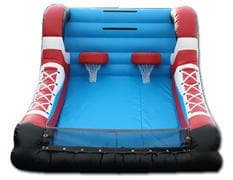
Vinyl weight matters more than most people realize. High-traffic commercial slides use 18-ounce commercial-grade PVC with reinforced seams at stress points. That translates to fewer tears and better heat resistance. Stitching is often double or quadruple at joints, with heat-welded seams in high-stress curves. If a rental listing only says “heavy-duty,” press for the spec sheet or brand and model. There is a difference between true event rentals gear and off-brand consumer imports that cut corners on baffles and liners.
A fast site-read, the day before drop-off
Good site prep saves time and avoids awkward day-of changes. Here is a tight list I share with clients who book water slide rentals for the first time.
- Measure the open area and height clearance, then add a 3 to 5 foot buffer on all sides. Mark sprinkler heads, shallow irrigation lines, septic lids, and any buried utilities within the footprint. Mow and bag clippings, remove pet waste, and clear toys, rocks, or low edging stones. Confirm a dedicated outdoor outlet within 50 to 75 feet, plus a standard garden hose that reaches the setup point. Plan traffic flow, keeping the blower and anchor zones off-limits to kids with visible cones or rope.
Weather calls: wind and heat, not just rain
Most vendors will not operate tall units in sustained winds above 15 to 20 miles per hour. Gusts push slides into a sail effect, even when anchored. I have cancelled setups due to an approaching cold front where wind forecasts climbed past 20. It saves awkward on-site debates. If the day looks hot with still air, shade the line or provide a canopy for waiting kids. Vinyl can heat enough to feel uncomfortable on bare skin. Many slides run water lines along the climbing wall and down the lanes to cool contact points. Ask for that configuration if ambient temperatures will hit the 90s.
Light rain does not always shut down a slide, but wet vinyl gets slick. Combined with wind, it becomes a no-go. Sensible vendors will outline a weather policy at booking. Flexible reschedule windows are a good sign they value safety over squeezing in every delivery.
Supervision that actually works
The soft rule that an adult should “watch the slide” is not enough. Designate a primary attendant who stays at the ladder entrance, and a second adult who floats at the exit during peak times. Stagger rider starts so bodies do not pile up in the landing. Younger kids are easily intimidated by older campers racing. A clean verbal cadence helps: “Climber ready, slider go, next climber wait.” It is simple, rhythmic, and keeps the queue organized.
Here are the five rules I post on a dry erase board near the entrance for kids party rentals and school event rentals:
- One slider per lane at a time, feet first, seated or on back only. No flips, dives, or stopping mid-slide to pose. Keep the landing clear, stand up, and exit to the side immediately. No hard objects: shoes, jewelry, glasses, toys, or water guns on the slide. Little kids first during dedicated time blocks, then alternate with older groups.
Time blocks work wonders at large events. For church event inflatables or community festivals, run 10 minute windows by age group during peak hours. It lowers conflict and evens wear and tear on the unit.
Cleanliness and sanitation you can verify
Clean vinyl smells neutral, not perfumed. Reputable inflatable party rentals crews clean and disinfect at the warehouse after each use, then spot-clean on site at setup. Ask what products they use. Quaternary ammonium disinfectants and diluted isopropyl work on vinyl. Bleach is generally avoided because it dulls color and weakens threads. Seams in landing pools and the ladder rungs collect grime. If a provider hesitates when you ask about seam cleaning, keep looking.
Between groups, a quick towel wipe at the ladder and hand-sanitizer station for kids keeps things fresher without slowing the line. For multi-day corporate event rentals, request a mid-rental cleaning. It keeps photos looking sharp and lowers slip risk from sunscreen buildup.
Matching slide types to events
Single-lane slides with splash pads, in the 12 to 15 foot range, fit small backyards and kids ages 3 to 8. Setup takes less than 30 minutes in most cases, and you can tuck the blower behind a fence corner to reduce noise.
Dual-lane slides with large pools are crowd-pleasers for block parties, school field days, and fundraisers. The racing element is half the fun. Expect more water, heavier footprints, and a slightly larger crew for install and teardown.
Curved and slip-n-slide attachments add length without more height, fun for tweens and teens, and kinder on neighbors who worry about towering units near property lines. Combo bounce house units with water slides cover mixed ages in tighter yards. You get jumper rentals energy and a cool-down option in one setup.
If you need extended play variety, add an inflatable obstacle course nearby and run it dry. Kids rotate between the obstacle course and the water slide, which keeps queuing times tolerable and spreads wear. I have seen 30 percent shorter wait times when a 30 to 40 foot inflatable obstacle course runs in tandem with a large slide.
Capacity, age splits, and line math that helps
Rental listings often say “up to 200 users per hour,” which sounds great but hides assumptions. In practice, a single-lane slide averages 60 to 90 riders per hour if you enforce spaced starts. A dual-lane can hit 120 to 160 riders per hour with crisp supervision. Younger kids take longer to climb and need spacing for confidence. If your guest list skews young, cut those numbers by a quarter.
Keep an eye on age and weight guidance from the manufacturer. Many commercial slides list maximum individual weight at 180 to 200 pounds and a total combined load on the climbing wall at around 250 to 300 pounds. That matters when cousins and uncles join the fun at a backyard party. Adults can ride on many models, but not when two kids are already on the ladder.
Ground conditions and protection
Freshly watered lawns get slick and soggy. If you can, stop irrigation 24 hours before the event. If your yard has gopher tunnels or uneven dips, tell your installer. We can shim with foam blocks and tarps to smooth ridges under the slide base. On artificial turf, heat can build under vinyl. A layer of breathable mesh underlayment prevents melt risk and allows drainage.
On concrete or asphalt, non-slip pads at the steps and exit are essential. Water that pools on hot dark surfaces can become uncomfortably warm. Shade sails help, and a staffer with a push broom can sweep away puddles to keep traction consistent.
Insurance, permits, and where it matters
If your party takes place at a city park or school, ask about permits and insurance requirements. Many public venues ask for a certificate of insurance listing them as additionally insured for the event date, with general liability limits of 1 to 2 million. Some need a generator if park outlets are off-limits. Generators quiet enough for conversation are typically inverter units sized to 3000 to 7000 watts depending on the number of blowers. Your provider should match the power plan to your equipment count.
Residential backyard party rentals rarely require permits, but homeowners associations sometimes ask for proof of insurance and anchoring plans, especially for corner lots with easements.
Budgeting and what drives price
Pricing varies by region, but a clean commercial-grade mid-size water slide commonly rents for 250 to 450 for a standard day. Dual-lane and 20 foot models run 400 to 650, with holiday weekends at the top end. Packages help. If you are already booking bounce house rentals, carnival game rentals, or concession machine rentals, vendors often discount the bundle. It makes logistical sense for them to drop multiple items in one route stop.
Add-ons that punch above their weight include table and chair rentals for shade seating, a pop-up canopy near the line, and a simple misting fan for the waiting zone. Concession machine rentals like a snow cone maker are on brand for a water day and cost little to operate. Plan one 20 pound bag of ice per 12 to 15 servings as a rough guide.
Choosing a vendor without guesswork
A strong provider profile includes recent photos of their specific units, not just catalog pictures. Look for clear safety language, not vague promises. Do they specify blower amperage, anchor types, and space needs for each item? You want a company that treats party equipment rentals like professional gear, not toys.
Ask how they sanitize, how they handle high winds, and what their rain and reschedule policy looks like. Read recent reviews for any mention of punctuality and cleanliness. If you searched inflatable rentals near me and found three options, call all three and compare how they answer technical questions. The company that asks you the most questions usually delivers the smoothest day.
Delivery timing and a realistic event timeline
Crews often start routes at dawn during peak season. For a 2 pm party, expect delivery anywhere from 8 am to noon, depending on distance and traffic. Setup for a single water slide is typically 25 to 45 minutes if the site is prepared. Factor in time for a safety walk-through with the attendant you designate.
A good rhythm for a four-hour party looks like this: first 30 minutes to orient kids and run the youngest group, next 90 minutes alternating by age or lane, a 15 minute snack break to reset energy and rehydrate, then a final hour with free rotation and a quick cleanup buffer before pickup. If you added moonwalk rentals or an inflatable obstacle course, put the dry unit near shade and encourage a rotation every 10 minutes. That cool-down loop limits crowding and makes parents grateful.
Common hiccups and how to solve them
Low water pressure makes slides sluggish. If your flow is weak, pull off quick-connect gadgets, fully open the spigot, and check for kinked hoses. Many vendors carry inline Y-splitters with ball valves to fine-tune flow. A few quick adjustments can turn a trickle into an even spray.
Power Party rentals trips happen when blowers share circuits with refrigerators or older GFCIs. If a breaker pops, trace your extension cord to the exact outlet, label the circuit, and clear other loads. If your home has finicky exterior GFCIs, ask for a generator as part of the package. The additional cost often beats the stress of resets mid-party.
Wind kicks up in the afternoon more often than people realize. If gusts climb, lower the slide temporarily. A 10 minute pause is better than pushing limits. I have paused dozens of times. No one remembers the break. Everyone remembers a scary gust.
Complementary rentals that elevate the day
Balanced variety keeps kids engaged without overcomplicating logistics. A compact set of carnival game rentals near the slide line gives siblings something to do while they wait, and it does not add risk. Simple ring toss, a milk-bottle knockdown, or a dart-free balloon game with Velcro darts are easy wins. Tie in party entertainment rentals like a bubble machine for toddlers or a DJ for older groups, and you round out the energy without spreading staff too thin.
For bigger functions, obstacle course rentals and jumper rentals belong on the dry side of the layout. Keep water-play on one axis and active dry play on the other so kids can transition without dragging water across vinyl. Moonwalk rentals still earn their keep at water parties for kids who prefer bouncing to soaking.
When a combo bounce house is the better move
Water slides dominate hot days, but not every yard or guest list calls for one. If you expect cooler weather, limited hose access, or many toddlers, a combo bounce house offers more usable play time. It runs dry in the morning when shade is long, then converts to a light mist in the afternoon heat. Parents appreciate a compact footprint and lower water use. Operators like me appreciate the simpler anchor pattern and shorter teardown.
Post-event wrap-up that respects your lawn and your time
After riders stop, turn off the water and keep the blower running for ten minutes. This helps shed water down the lanes and out of the landing, which makes teardown quicker and keeps your yard neater. Provide a hose point for the crew to rinse any sticky spots. If your grass feels saturated, avoid mowing for a day to let roots breathe. Brown rings where the blower sat often fade in 48 hours. If you used artificial turf, a light rinse of the area evens temperature and freshens the surface.
Thoughtful choices, happier guests
The best events come from a few specific decisions made early. Choose the right size and lane count for your headcount and ages. Measure space with buffer room for anchors and traffic flow. Confirm power and water details in writing. Plan for wind and sun with shade and supervision. And work with a rental company that treats safety and cleanliness as the foundation of fun.
Whether you book a towering dual-lane slide, a modest backyard unit, or a combo paired with a dry inflatable obstacle course, the recipe is similar. Clear rules, smooth logistics, and well-placed extras like table and chair rentals and concession machine rentals turn a hot afternoon into an easy, memorable splash day. If you are cobbling together a package that includes bounce house rentals, water slide rentals, and a few small games from a trusted event rentals provider, you will feel the difference the moment those first happy shrieks echo across the yard.